
Inspect the existing floor
Identify loose tiles, heavy wear, old finish, and areas that may need a different approach. A photo helps, but a walk-through settles the scope.
A VCT floor project can affect when a Tyler office or store reopens. We first identify the floor's condition, traffic, furniture, and available work window. The proposal should separate restorative work from routine maintenance.
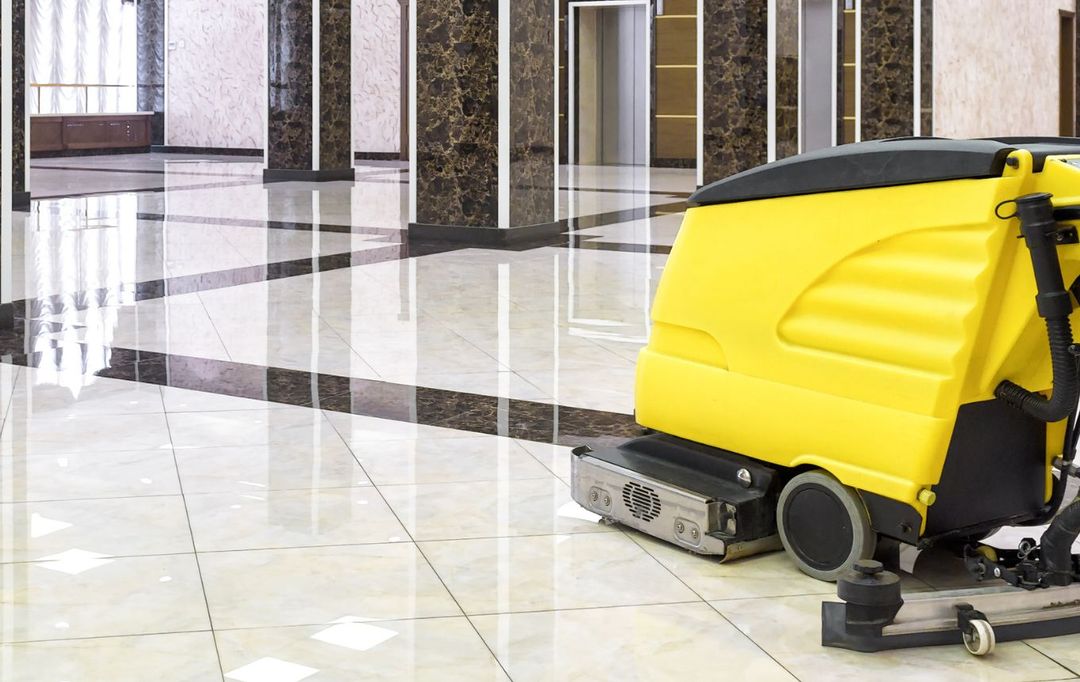
VCT age, existing finish, marks, and traffic all change the work. We review the surface before choosing a stripping, finish, or maintenance plan.
Identify loose tiles, heavy wear, old finish, and areas that may need a different approach. A photo helps, but a walk-through settles the scope.
Furniture, displays, and stock can affect the sequence. Agree who moves them and which rooms must remain open.
The work window must account for the floor process and the time before foot traffic returns. We discuss that timing before setting a project date.
Stripping and finish work should name the rooms, square footage, movable items, number of passes if known, and the point at which the space can be used again.
After the project, regular soil removal and periodic machine care may protect the finish. The maintenance schedule should reflect traffic and cleaning products rather than a generic calendar.
Floor photographs can start the conversation. The building details below are needed for a useful proposal.
Area is useful, but floor condition, furniture, traffic, and access also affect the work. We review the site before a firm scope.
We discuss the process and reopening window for the actual floor before scheduling. Do not assume a room can reopen as soon as a crew leaves.
No periodic restoration should be assumed in a recurring cleaning price. We list it separately when it is needed.
Send the Tyler address, floor photographs if available, approximate area, and the next time the rooms must be open. We will review the project scope.