Waiting and reception
Set the plan for seating, floors, door glass, and public counters without disturbing patient records or front-desk equipment.
For a Tyler medical or dental office, a useful cleaning proposal names public rooms, staff areas, and the spaces that need the practice's own instructions. We discuss ordinary facility cleaning with the site lead and keep clinical responsibilities clear.
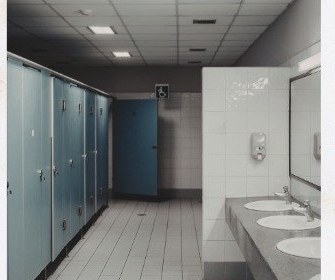
Reception, waiting areas, staff restrooms, and breakrooms can be discussed as ordinary facility work. Treatment surfaces, medical waste, and clinical protocols require separate direction from the practice.
Set the plan for seating, floors, door glass, and public counters without disturbing patient records or front-desk equipment.
Describe use patterns and who supplies liners, paper goods, and soap. The written scope should make restocking responsibility plain.
Identify rooms that the crew may enter and the surfaces they may touch. Practice-approved products and procedures remain the practice's decision.
Tell us when the last appointment ends, when staff leave, and which doors must remain secured. We can discuss a service window that keeps cleaning away from patient traffic and private information.
A general cleaning bid should not quietly include instrument processing, regulated waste, or clinical disinfection. If any of those are needed, the practice should arrange them under its own approved procedures.
Use this list before comparing proposals so each company is asked to quote the same facility work.
No medical-waste handling is assumed. The practice should identify regulated tasks and keep them under its approved process.
Tell us the hours, access plan, and address. We will confirm availability before proposing a schedule.
Yes. Bring the practice's product and surface rules to the walk-through so they can be written into the agreed scope.
Send the Tyler practice address, public-room list, patient hours, and any rooms with restricted access. We will confirm the general cleaning scope.