Reception and waiting
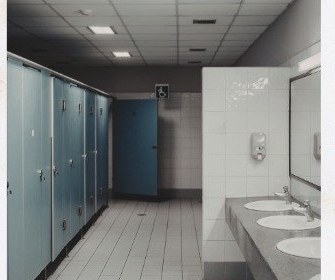
List entry glass, seating, floors, counters, and public restrooms used by visitors.
A medical office needs a firm line between ordinary building cleaning and clinical work. Use this page to identify general-use rooms and the practice's own protocols before asking for a proposal.
The practice decides which areas may be serviced by a general cleaner and which require its trained clinical staff or specialist vendors.
List entry glass, seating, floors, counters, and public restrooms used by visitors.
Identify permitted surfaces, locked spaces, and rules for paperwork or equipment.
Define counters, appliance exteriors, trash, and floors without assuming access to patient-care supplies.
Mark treatment rooms, instruments, sharps, clinical waste, and any disinfection tasks that are outside general facility cleaning.
Give the cleaning provider a room map and the approved products or methods for general surfaces. Name the staff member who can answer questions about sensitive surfaces and restricted zones. Do not rely on a general marketing claim to describe infection-control work.
Confirm the last appointment, closing duties, alarm procedure, and the time the building must reopen. The proposal should explain how staff will report a change in room access or a missed general-cleaning task.
Use your browser's Print command or keep the list on your phone. Mark what applies to your building. The final scope is agreed in writing.
No. Clinical infection-control procedures, instruments, sharps, and regulated waste remain with the practice or qualified specialist providers.
Yes, when the building's general-use rooms and responsibilities are clearly defined by the practice.
Send K's the address, room types, and preferred timing. The team will confirm coverage and discuss a written scope.